Back to services
Reproductive Surgery
Hysteroscopy
Minimally invasive examination of the uterine cavity when clinically appropriate.
What is this service?
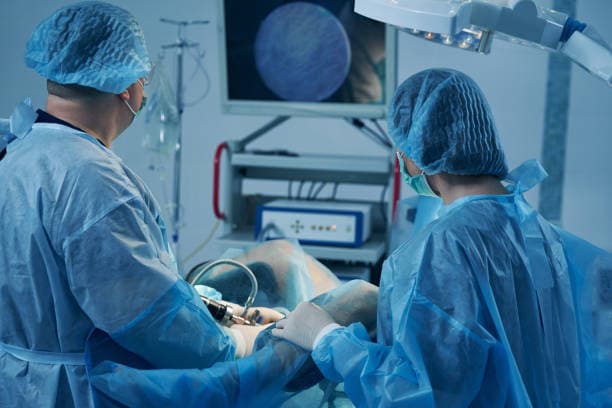
A procedure to look inside the uterus using a hysteroscope passed through the cervix.
Who may need it?
- Women with abnormal uterine bleeding
- Patients with suspected polyps or fibroids
- Those with recurrent miscarriage
- Women before fertility treatment
Common reasons or symptoms
- Heavy or irregular bleeding
- Suspected uterine polyp or fibroid
- Recurrent implantation failure
- Evaluation of uterine adhesions
What happens during consultation
- Review of symptoms and imaging
- Discussion of diagnostic vs operative hysteroscopy
- Anesthesia and preparation planning
Tests that may be recommended
- Pelvic ultrasound
- Pregnancy test before procedure
- Blood tests if needed
Treatment options
- Diagnostic hysteroscopy
- Polypectomy
- Removal of small fibroids
- Adhesiolysis
Risks and limitations
- Infection or bleeding
- Uterine perforation (rare)
- Anesthesia-related risks
Frequently asked questions
It may cause cramping. Anesthesia or sedation is often used for operative procedures.
Most patients recover within a day or two after diagnostic hysteroscopy.
Book a private consultation
Speak with our team to learn whether hysteroscopy is right for your situation.
Book Appointment